Digital Imaging and Communications in Medicine (DICOM) is the standard for the communication and management of medical imaging information and related data. DICOM is most commonly used for storing and transmitting medical images enabling the integration of medical imaging devices such as scanners, servers, workstations, printers, network hardware, and picture archiving and communication systems (PACS) from multiple manufacturers. It has been widely adopted by hospitals and is making inroads into smaller applications like dentists’ and doctors’ offices.
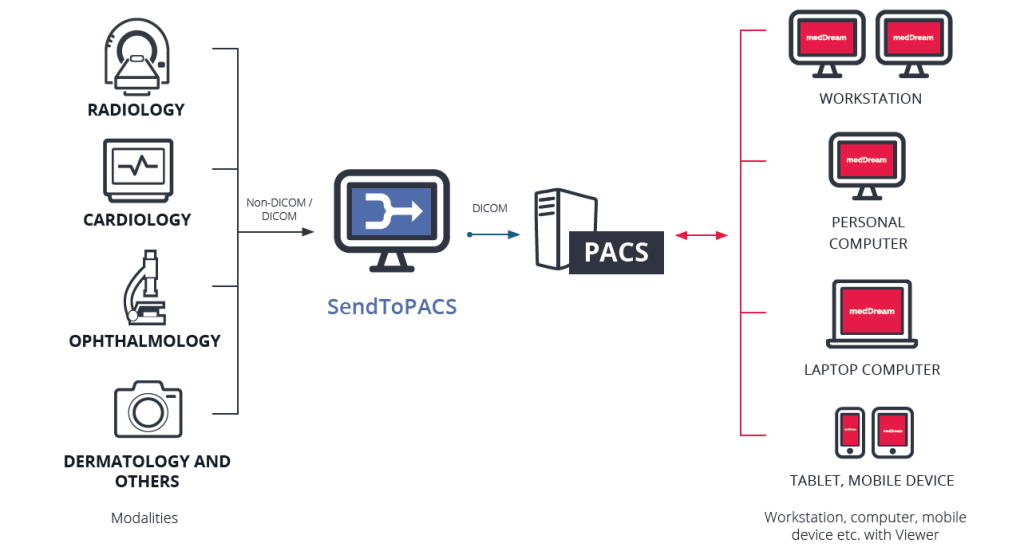
What I envision is a DICOM network that connects more than one hospital in a city, connects hospitals of more than one city, connects hospitals and clinics of an entire nation, because why not?
Imagine a world where a patient who was treated in a tertiary care centre can go to his or her local clinic and continue the treatment. All the clinic will need to do is access her profile in the nationwide DICOM network to get all the files.
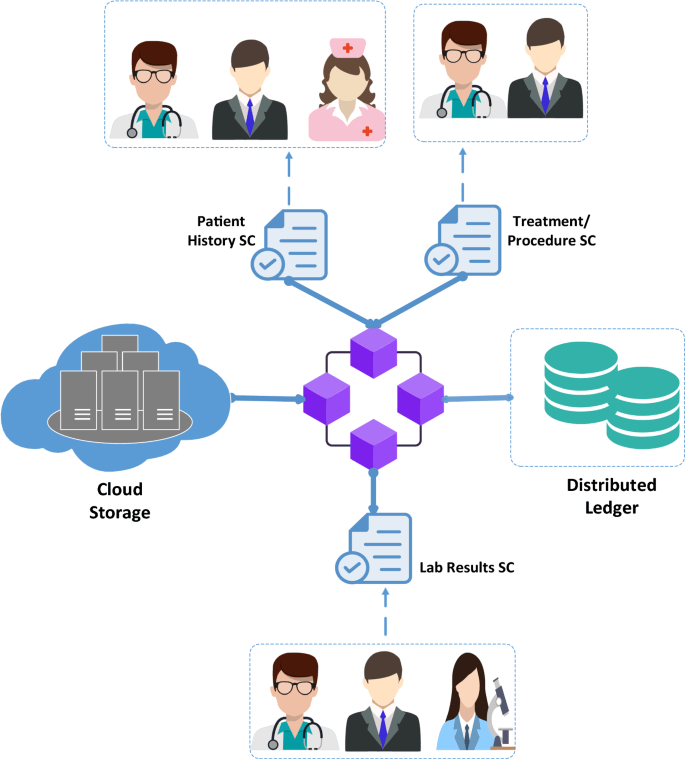
If laboratories are connected to the same network, it’ll be easy to find a report when the patient needs it. One of the most common problems doctors face is incomplete past medical history. With this method, it’ll be easy to lookup the entire medical history of the patient along with laboratory or radiological reports when needed. A unique serial number is all that will be needed to achieve this.
Use of block chain can also be explored. Projects such as Ethereum and Polygon can lend their chains to create a decentralised network, and Arweave for storage and retrieval of patient data. This will add speed, privacy and security. The patient will be the owner of the data and nobody else. Decentralised apps can be used for this purpose. The possibilities are endless.
Let me know what you think about this in the comment section below!

 The Health Blog